Have you ever wondered what is deep tissue massage and whether it's the right treatment for your persistent muscle tension or chronic pain? Unlike a gentle relaxation massage, deep tissue massage is a powerful therapeutic technique designed to reach the deeper layers of muscle and connective tissue in your body. If you've been dealing with stubborn knots, limited mobility, or ongoing discomfort, this specialized form of massage therapy might be exactly what you need to find relief.
At Harbourview Health Centre, our experienced registered massage therapists help patients understand the unique benefits of deep tissue massage and how it differs from other massage techniques. Whether you're recovering from an injury, managing chronic pain, or simply want to address long-standing muscle tension, deep tissue massage offers a targeted approach to healing that goes beyond surface-level relaxation.
What Makes Deep Tissue Massage Different?
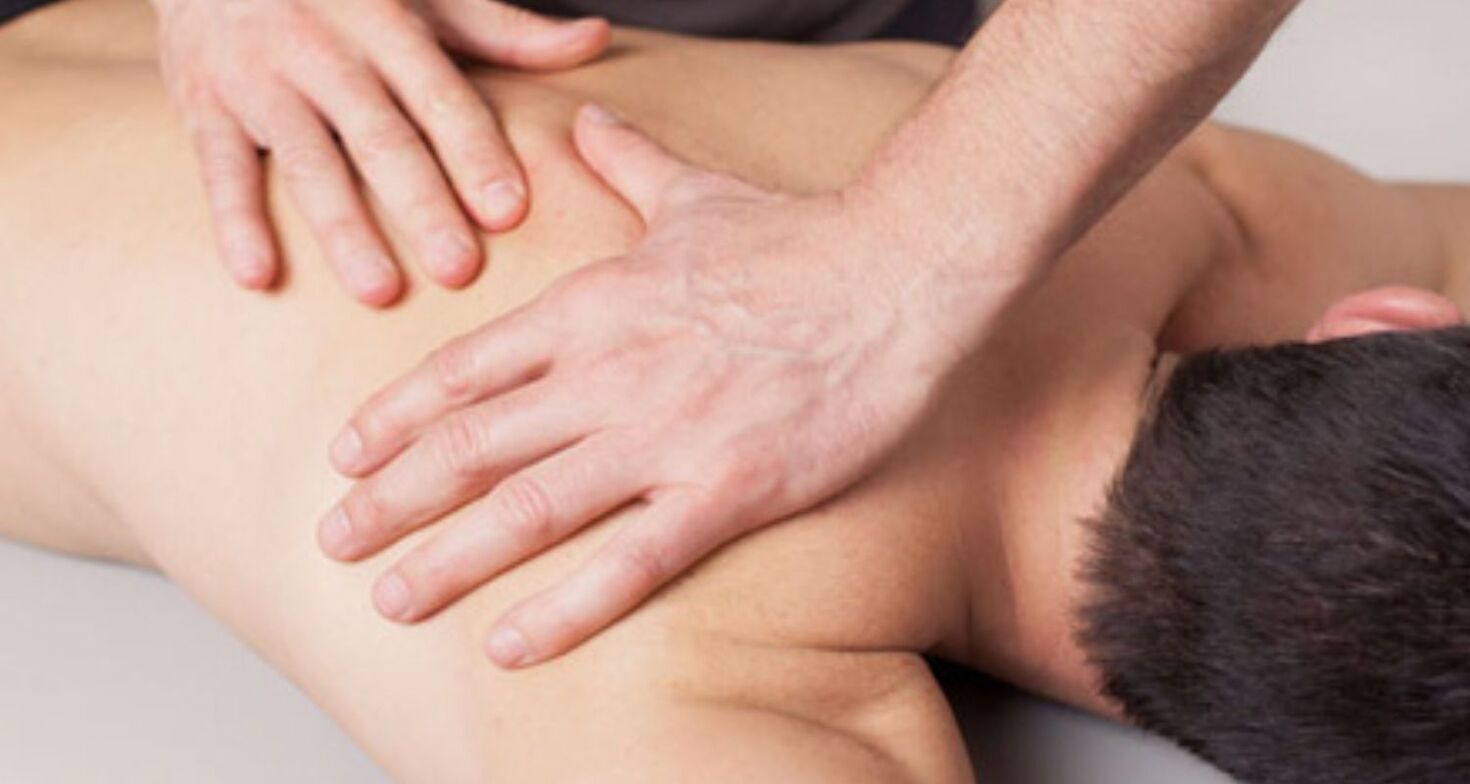
Deep tissue massage is a specialized therapeutic technique that focuses on realigning deeper layers of muscles and connective tissue. Your massage therapist uses slow, deliberate strokes and deep finger pressure on the affected areas, working systematically through the superficial layers to reach the underlying muscle tissue and fascia.
The primary goal is to break up scar tissue and physically break down muscle adhesions—those stubborn "knots" you can feel in your muscles that can disrupt circulation and cause pain, limited range of motion, and inflammation. During a deep tissue massage session, you might experience some discomfort as your therapist works through these problem areas, but it should never be unbearable. Many patients describe the sensation as "good pain"—uncomfortable in the moment but deeply satisfying as tension releases.
What sets deep tissue massage apart from swedish massage is both the pressure applied and the specific areas targeted. While swedish massage uses lighter pressure for overall relaxation and improved circulation, deep tissue massage concentrates therapeutic pressure on specific problem areas where chronic patterns of tension have developed over time.
The Science Behind Deep Tissue Massage Benefits
Understanding the benefits of deep tissue massage starts with knowing how your muscles respond to this treatment. When muscles are chronically tense, they can block nutrients and oxygen from reaching their destination, leading to inflammation and the buildup of toxins in the muscle tissue. This creates a painful cycle where tension causes inflammation, which causes more tension.
Deep tissue massage works to interrupt this cycle. The deliberate pressure and friction applied across the grain of the muscles help to lengthen muscle fibers, release deeply held patterns of tension, and restore proper circulation to the affected areas. As blood flow improves, oxygen and nutrients can reach the muscles more effectively, while metabolic waste products are carried away.
Research shows that therapeutic massage can lower your heart rate, reduce stress hormones like cortisol, and trigger the release of feel-good hormones like serotonin and oxytocin. For patients in Collingwood and Stayner dealing with chronic back pain, sports injuries, or repetitive strain injuries, these physiological changes translate into real, measurable relief from pain and improved function.
Common Conditions Treated with Deep Tissue Massage
Deep tissue massage proves particularly effective for several specific conditions. Many patients at Harbourview Health Centre seek this treatment for chronic lower back pain, which affects millions of Canadians each year. The sustained pressure helps release the deep postural muscles that contribute to ongoing discomfort and limited mobility.
Athletes and active individuals often turn to deep tissue massage for sports injury rehabilitation. Whether you're dealing with a strained hamstring, tight IT band, or shoulder impingement, this technique can speed recovery by improving circulation to injured tissues and breaking down scar tissue that forms during the healing process.
Other conditions that respond well to deep tissue massage include tension headaches caused by tight neck and shoulder muscles, fibromyalgia-related muscle pain, repetitive strain injuries like carpal tunnel syndrome, and postural problems that develop from hours spent at a desk or computer. If you've been told you have muscle imbalances or compensatory patterns, deep tissue work can help restore proper muscle function and balance.
What to Expect During Your Deep Tissue Massage Session
Your first deep tissue massage session typically begins with a detailed health history and discussion of your specific concerns. Your registered massage therapist will ask about areas of pain or tension, any injuries or chronic conditions, and your goals for treatment. This information helps them create a customized treatment plan that addresses your unique needs.
During the massage, you'll lie on a comfortable massage table while your therapist works systematically through the affected areas. They'll typically start with lighter pressure to warm up the superficial muscles before gradually increasing depth and intensity. You should always communicate with your therapist about pressure—deep tissue massage should be intense but not unbearable. A skilled therapist knows how to work effectively at the edge of your comfort zone without crossing into excessive pain.
It's completely normal to feel some soreness for a day or two after your first few sessions, similar to how you might feel after a challenging workout. This is simply your body adjusting to the treatment. Drinking plenty of water after your session helps flush out the metabolic waste products released from your muscles during the massage, reducing post-treatment soreness and speeding your recovery.
Deep Tissue Massage vs. Other Massage Techniques
Many people wonder about the differences between deep tissue massage and other popular massage styles. Swedish massage, for instance, uses five basic strokes with light to medium pressure to promote relaxation and improve circulation across the entire body. It's wonderful for stress relief and general wellness, but it doesn't specifically target chronic muscle problems the way deep tissue work does.
Therapeutic massage is actually an umbrella term that includes deep tissue massage along with other treatment-focused techniques. What distinguishes deep tissue is its specific focus on reaching deeper muscle layers and working with chronic patterns of tension. Your massage therapist at Harbourview Health Centre can help you determine which technique—or combination of techniques—will best address your specific situation.
Sports massage shares some similarities with deep tissue work, as both target specific problem areas and work at deeper levels. However, sports massage is typically geared toward preventing and treating athletic injuries and preparing the body for athletic performance, while deep tissue massage has broader applications for anyone dealing with chronic pain or muscle tension.
Maximizing Your Deep Tissue Massage Results
Getting the most from your deep tissue massage involves more than just showing up for your appointment. Consistency matters significantly when you're addressing chronic muscle problems. While you might feel some immediate relief after your first session, lasting change typically requires a series of treatments spaced appropriately for your condition.
Between sessions, gentle stretching can help maintain the improvements made during your massage. Your therapist may recommend specific stretches for your problem areas. Staying hydrated is equally important—water helps your muscles stay pliable and aids in flushing out toxins released during massage.
Pay attention to the activities and postures that may be contributing to your muscle tension in the first place. If you sit at a desk all day, take regular breaks to move and stretch. If you're an athlete, ensure you're warming up properly and allowing adequate recovery time between intense training sessions. Deep tissue massage works best as part of a comprehensive approach to managing your pain and improving your overall musculoskeletal health.
Is Deep Tissue Massage Right for You?
Deep tissue massage offers powerful benefits for many people, but it's not appropriate for everyone. You should avoid deep tissue massage if you have blood clots, recent surgery or fractures in the area to be massaged, or certain skin conditions. Pregnant women should consult with their healthcare provider before receiving deep tissue work.
The best candidates for deep tissue massage are people dealing with chronic pain patterns, athletes recovering from injuries, individuals with limited range of motion due to tight muscles, or anyone who has tried gentler massage techniques without achieving the relief they need. If you're unsure whether deep tissue massage is appropriate for your situation, our team at Harbourview Health Centre can assess your needs during a consultation and recommend the most effective treatment approach.
Your Next Steps Toward Relief
Deep tissue massage represents a proven, effective approach to managing chronic muscle pain and tension. By targeting the deeper layers of muscle tissue and working to break up adhesions and scar tissue, this therapeutic technique can help you move better, feel better, and return to the activities you love without constant discomfort.
If you're ready to experience the benefits of deep tissue massage, our experienced registered massage therapists at Harbourview Health Centre are here to help. We'll take the time to understand your specific concerns and create a treatment plan tailored to your needs. Don't let chronic pain hold you back any longer—discover what deep tissue massage can do for you. Contact Harbourview Health Centre today to schedule your first session and take the first step toward lasting relief.
.jpg)
.jpg)